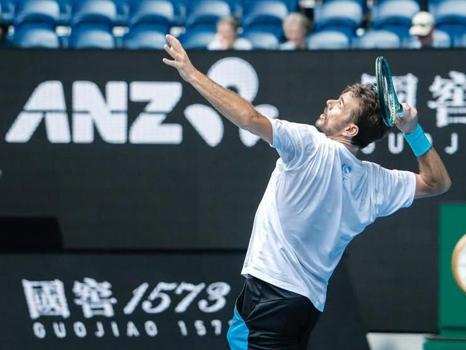
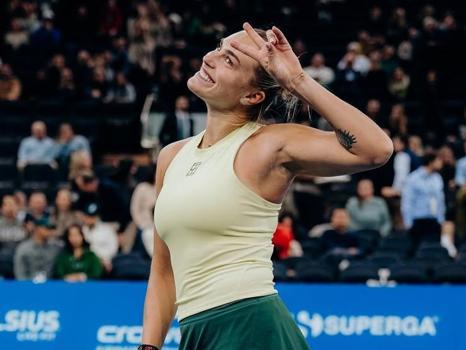
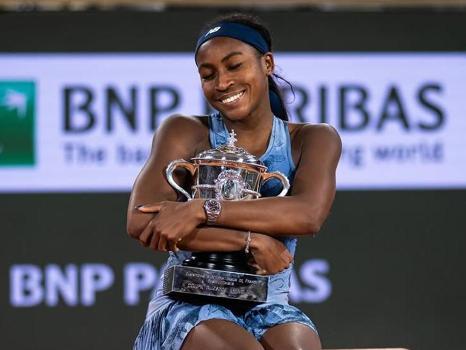
Players Applaud Record Payouts While Demanding Fairer Revenue Share in Melbourne
As the 2026 Australian Open kicks off with a record-breaking A$111.5 million prize pool, the world’s elite players have voiced a cautious appreciation for the financial boost. While the double-digit increase marks a significant milestone for the "Happy Slam," superstars like Coco Gauff and Aryna Sabalenka are leading a vocal movement to ensure that player compensation keeps pace with the explosive commercial growth of the sport's four major championships.
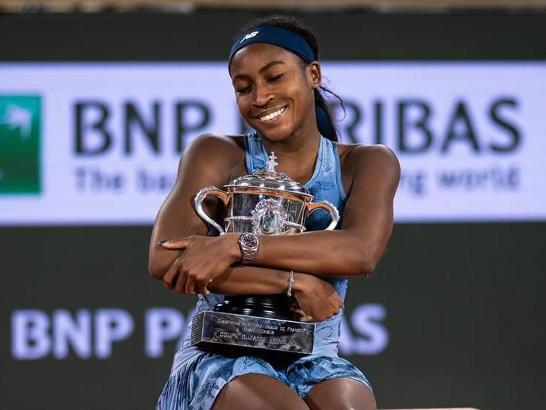
Tennis Australia’s decision to hike the 2026 prize purse by 16% has been met with general approval, particularly from lower-ranked competitors who benefit from a 55% surge in qualifying rewards since 2023. However, the narrative at Melbourne Park is dominated by a collective push for a more transparent financial model, with top-tier players advocating for their revenue share to rise from roughly 16% to 22% by the end of the decade. As the tournament director, Craig Tiley, emphasizes a commitment to making professional tennis "sustainable for all," the athletes are making it clear that while progress has been made, the conversation regarding a "fair slice of the cake" is far from over.
A Historic Windfall for the Australian Open
Read More ›
The 2026 edition of the Australian Open has set a new gold standard for the Asia-Pacific region by offering the richest prize pool in its history. Men’s and women’s singles champions are now slated to take home a staggering A$4.15 million each, representing a nearly 19% jump from the previous year. This aggressive financial positioning has allowed the Melbourne major to leapfrog Wimbledon in terms of total payouts, though it still trails the lucrative U.S. Open.
Tournament organizers have been quick to point out that this increase is not just for the superstars at the top of the pyramid. By boosting first-round main draw compensation to A150,000andprovidinga16700 million in income for the 2025 fiscal year.
The Push for Revenue Transparency
Despite the record numbers, a growing coalition of players remains unsatisfied with the current percentage of tournament income allocated to prize money. Led by representatives from the Professional Tennis Players Association (PTPA), many athletes are calling for a formal profit-sharing model similar to those found in major North American team sports. They argue that while the raw dollar amounts are increasing, the actual "cut" given to the performers is not reflecting the true commercial value they generate.Coco Gauff articulated this sentiment during her pre-tournament press conference, noting that while the progress is undeniable, the "revenue comparison" still falls short of player expectations. The collective goal of the elite ranks is to move away from arbitrary annual increases and toward a structured agreement where players receive a guaranteed percentage of the media rights and sponsorship deals. This push for structural reform has become a central theme of player meetings in the locker rooms of Melbourne Park.
Sustainability for the Global Circuit
The conversation in Melbourne has also focused heavily on the "middle class" of tennis—the players ranked between 100 and 250 who form the backbone of the professional tour. For these athletes, the increased prize money in the early rounds and qualifying stages is the difference between continuing their careers and being forced into early retirement. The 16% bump for those exiting in the first round of qualifying ensures that even a short stay in Australia provides a significant financial foundation for the rest of their season.Craig Tiley has defended the tournament's financial strategy by highlighting the long-term vision of making tennis a viable career for more than just a handful of celebrities. By enhancing player benefits and travel assistance programs alongside the prize money, the Australian Open is attempting to create a more equitable environment. However, veteran players like Novak Djokovic have countered that the massive surpluses reported by the Grand Slams suggest there is still plenty of room to expand the pool without jeopardizing the tournaments' operational health.
The Role of New Formats and Gimmicks
Interestingly, the 2026 tournament has also experimented with new ways to generate revenue and distribute wealth, such as the inaugural "One Point Slam." This high-stakes exhibition, which awarded an amateur player A$1 million for winning a single point against top pros, served as a stark reminder of the massive financial interest surrounding the sport. While some players viewed it as a fun diversion, others saw it as proof that the commercial appetite for tennis is at an all-time high.
The success of such events has only emboldened the players' argument that the sport is undervalued. As attendance records continue to tumble—with over 29,000 fans attending just the first day of qualifying—the disconnect between rising gate receipts and player pay remains a point of contention. The athletes are increasingly aware of their leverage as the primary "product" of these multi-million dollar festivals, and they are becoming more coordinated in their demands for a seat at the bargaining table.
Looking Toward a Unified Future
As the 2026 season unfolds, the dialogue between the Grand Slam boards and the player unions is expected to intensify. The players have already drafted formal letters outlining their vision for 2030, which includes not only higher prize money but also improved pension plans and health benefits. The Australian Open serves as the opening salvo in what promises to be a year-long negotiation over the future of the sport’s financial landscape.While the fans are focused on the on-court drama between rivals like Sinner, Alcaraz, and Swiatek, the real battle may be happening in the boardrooms. The players have made it clear that they will no longer be satisfied with being "grateful" for increases; they want to be treated as true partners in a global entertainment business. As the first major of the year, Melbourne has set the stage for a season where the pursuit of trophies is matched only by the pursuit of professional equity.