Notre Dame Director of Athletics Accuses ACC of Causing ‘Permanent Damage’ Over Miami Campaign
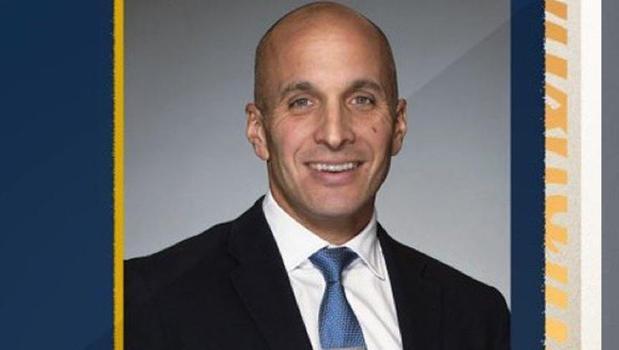
Notre Dame Fighting Irish athletic director has publicly condemned the Atlantic Coast Conference saying its recent handling of the membership campaign by Miami Hurricanes has inflicted “permanent damage” on trust and cooperation within the league. Tensions between the institutions have reached a new high as college sports hurtle through shifting alliances.
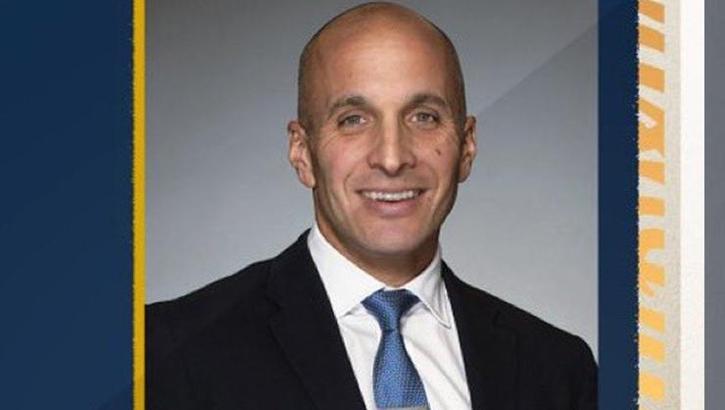
According to the Notre Dame AD, the way the ACC managed Miami’s bid to join or strengthen its membership has undermined the league’s credibility and created fractures among remaining member schools. He claims the damage goes beyond a single case — it has shaken confidence in the fairness and stability of conference decision making. The comments reflect growing unease among members who fear instability and reputational risks in a turbulent collegiate sports landscape.
Background: Miami’s Campaign and ACC’s Handling
The controversy surrounds efforts by Miami to reposition itself within the conference structure — a campaign that many perceive was supported or at least tolerated by ACC leadership. Notre Dame’s AD argued that the process lacked transparency and fairness, creating a sense that power dynamics within the conference allow some clubs to pursue advantages at the expense of collective trust. This is not the first time conference realignment tensions have surfaced, but the combination of Miami’s history, competitive potential and media market value made this particular episode especially sensitive. For many in Notre Dame and beyond, the perceived preferential treatment threatens to unsettle relationships and future cooperation among institutions.
Consequences: Trust Erosion and a Warning Sign for Other Members
The allegation of “permanent damage” casts a shadow over the ACC’s reputation. For remaining schools, the message is clear: loyalty and good faith may no longer guarantee equitable treatment. That uncertainty may prompt some institutions to re-evaluate their conference affiliations or seek safeguards against similar situations. It could also affect recruiting, media rights negotiations, and long-term planning. If member schools feel vulnerable to political or preferential decision-making, they may hesitate to commit to multi-year deals or joint ventures — harming stability across the league.
What This Means for ACC’s Future
The ACC now faces a critical test: mend relationships and restore confidence, or risk further fragmentation. Leadership will need to demonstrate transparency, fairness and consistency in how decisions are made, not just with Miami but with all member institutions. If the league fails to address these concerns, it may lose credibility not just with its schools, but with partners — broadcasters, sponsors and prospective student-athletes watching closely. The stakes are high: collective unity once taken for granted may now require active rebuilding.