LIV Golf Momentum Fades as McIlroy Points to Lack of Star Power and Koepka Departure
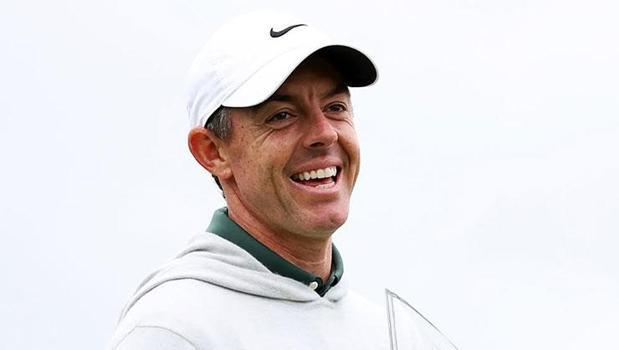
Golfing icon Rory McIlroy has delivered a stinging assessment of the current state of LIV Golf, suggesting that the Saudi-backed league is rapidly losing its cultural and competitive momentum. Speaking from the Dubai Invitational, the Northern Irishman pointed to a stagnant recruitment drive and the high-profile departure of Brooks Koepka as definitive proof that the breakaway circuit is struggling to maintain its relevance in an increasingly consolidated sporting landscape.
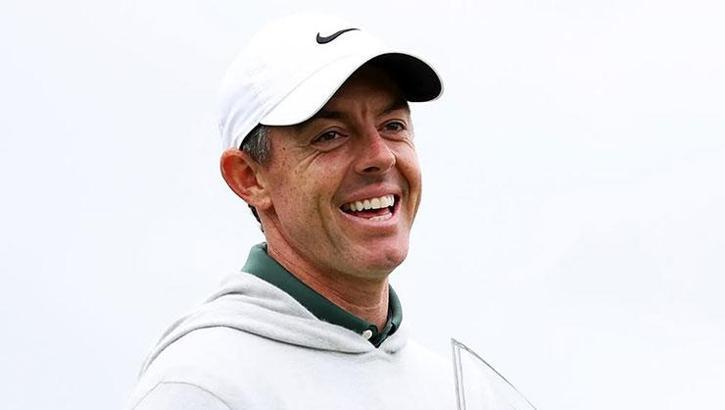
Rory McIlroy believes that LIV Golf’s initial disruptive energy has dissipated, largely due to its failure to attract new "needle-moving" talent over the past two seasons. The world number two emphasized that the recent exit of five-time major champion Brooks Koepka, who officially returned to the PGA Tour under a new "Returning Member Program," served as a watershed moment for the rival tour. As negotiations between the PGA Tour and the Saudi Public Investment Fund remain complicated, McIlroy suggests that the lack of fresh star power has left LIV Golf in a state of stasis, unable to challenge the traditional foundations of the sport as effectively as it once did.
Read More ›
The Stagnation of Star Power
McIlroy’s primary critique centers on the fact that LIV Golf has failed to secure a major signing for the 2026 season, leaving its roster feeling increasingly familiar and, according to some critics, stale. He argued that for any sports league to sustain growth, it must constantly inject new energy and high-profile rivalries. Without a continuous stream of top-tier talent defecting from the PGA Tour or DP World Tour, the novelty of the 54-hole format appears to be wearing thin with the global audience.
The Northern Irishman noted that while the initial wave of signings created a massive shockwave, the "fear factor" associated with the league has vanished. He suggested that the top players in the world are now more committed than ever to the legacy and prestige of the traditional tours, especially as prize purses have risen and new equity programs have been established. For McIlroy, the lack of new names is not just a recruitment issue, but a sign of a broader decline in the league's perceived value.
Read More ›
The Impact of the Koepka Departure
Perhaps the most significant blow to LIV Golf’s prestige was the exit of Brooks Koepka, a move that McIlroy views as a turning point in the professional golf civil war. Koepka was one of the faces of the breakaway league, providing it with much-needed major championship credibility. His decision to return to the PGA Tour, despite a $5 million charitable fine and the forfeiture of equity, sent a clear message that the game's elite still crave the history and competitive depth offered by the established circuits.
McIlroy pointed out that Koepka’s departure signaled a shift in the "invincibility" of the Saudi-backed contracts. It proved that players are willing to navigate complex legal and financial paths to return to the traditional fold if they feel their competitive edge or reputation is being dulled. This high-profile defection has reportedly made other potential targets more hesitant, fearing that a long-term commitment to LIV might lead to professional isolation.
Read More ›
A League in Maintenance Mode
Rather than being a growing threat, McIlroy described LIV Golf as a product that has entered "maintenance mode." He suggested that the league is now simply trying to sustain its current roster rather than expanding its footprint. This plateau in growth is particularly evident as LIV's UK losses were reported to have climbed past $1.1 billion since its inception, raising questions about the long-term sustainability of the venture if it fails to capture the mainstream imagination.
The lack of movement has led to a sense of predictability within the LIV ranks. McIlroy argued that sports fans thrive on change and high stakes—elements he feels are currently lacking in the rival circuit. By remaining stagnant, LIV Golf risks becoming a niche product. McIlroy noted that even if the league re-signs existing stars for hundreds of millions, it doesn't fundamentally change the product or attract new viewers.
The Changing Landscape of Negotiations
Read More ›
McIlroy’s comments come at a delicate time as the PGA Tour, led by figures like Tiger Woods and Commissioner Jay Monahan, continues to navigate the "Returning Member Program." By highlighting LIV’s perceived loss of steam, McIlroy is subtly shifting the narrative in favor of the traditional tours. He suggests that the PGA Tour is negotiating from a position of renewed strength, while the PIF’s golf investment is not yielding the transformative results they initially expected.
While McIlroy has softened his personal stance on the LIV players themselves, his critique of the league’s business model remains sharp. He believes that the longer the "status quo" remains without major new defections, the more the traditional tours will regain their footing. This public assessment serves to reassure sponsors and fans that the heart of professional golf remains firmly rooted in the meritocracy of the PGA Tour and its allies.
Looking Toward a Unified Future
Despite his criticisms, McIlroy remains an advocate for a resolution that brings the best players back together. However, his latest remarks suggest that he believes this unification should happen on terms that respect the integrity of the game's existing structures. He highlighted that the "Returning Member Program" is a limited-time offer, specifically targeting major winners like Jon Rahm and Bryson DeChambeau, essentially daring them to follow Koepka's lead before the February deadline.
Read More ›
As the 2026 season progresses, the pressure will be on LIV Golf to prove McIlroy wrong by announcing a major signing or a significant strategic pivot. Until then, the world number two’s words will carry significant weight, painting a picture of a league that once threatened to take over the world but is now fighting to stay relevant. For the global golf audience, the focus remains on whether the "Koepka effect" will trigger more high-profile returns to the PGA Tour.