How Many Fouls to Foul Out in the NBA? Player Foul Rules Explained
Fouling out is one of the most decisive moments in an NBA game, removing a player from action the second they reach the league’s foul limit. These rules shape defensive strategies, player rotations, and the intensity of late-game decisions.
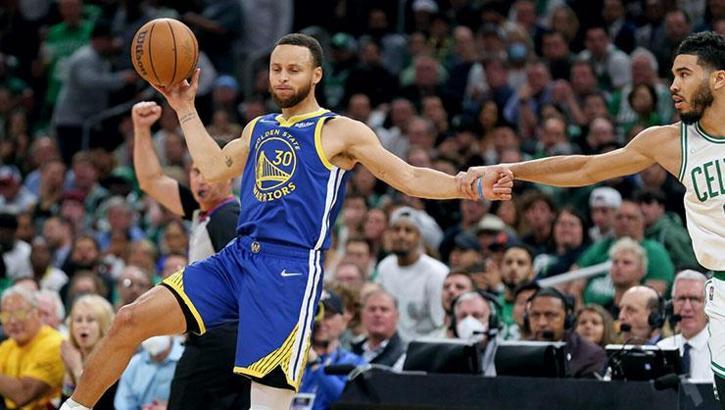
This article explains how many fouls it takes to foul out in the NBA, the difference between personal and technical fouls, how foul limits compare to other basketball leagues, and why these rules play a crucial role in game flow and coaching strategy.
Read More ›
Understanding the NBA’s Personal Foul Limit
In the NBA, a player fouls out after committing six personal fouls in a single game. These fouls include both defensive and offensive infractions. Once a player reaches six, they must immediately leave the game and cannot return, though the team may substitute another player.
The six-foul rule is designed to maintain competitive balance and prevent excessive physical play. Coaches must monitor players closely, especially when key contributors accumulate early fouls. Managing foul trouble becomes a strategic challenge that can shape the final outcome of a game.
Personal Fouls vs Technical Fouls
Personal fouls involve physical contact, but technical fouls address unsportsmanlike behaviour, arguing with officials, or delay-of-game violations. Although technical fouls do not directly count toward the six personal fouls required to foul out, they still accumulate and can lead to ejection if a player receives two technicals in the same game.
Read More ›
This separation ensures that fouling out reflects physical play, while ejections from technical fouls reflect conduct issues. Players must therefore manage both their physical and emotional approach during high-pressure moments.
Team Foul Rules and Bonus Situations
In addition to individual foul limits, the NBA uses team foul rules that affect free-throw opportunities. Once a team commits five fouls in a quarter, the opposing team enters the bonus, meaning any additional defensive foul results in free throws regardless of the foul type. This rule encourages disciplined defence and adds importance to team-wide foul control.
These bonus situations often influence late-game strategy, prompting coaches to adjust defensive intensity or substitute players to avoid putting opponents on the free-throw line unnecessarily.
How NBA Foul Rules Compare to Other Leagues
The NBA’s six-foul rule differs from many other basketball organizations. In college basketball (NCAA) and international play (FIBA), players foul out after five personal fouls, making those games slightly more restrictive. As a result, international and college coaches often face foul-management challenges earlier than their NBA counterparts.
Read More ›
Despite the extra foul allowed in the NBA, the faster pace and higher level of physicality mean that players must remain disciplined. Veteran players often study officiating tendencies to stay on the court during crucial moments.
Why Foul-Out Rules Matter in Modern Basketball
Foul-out rules influence rotations, defensive matchups, and the tempo of the game. Star players in foul trouble may be benched earlier than planned, altering offensive flow and giving opponents opportunities to attack weakened lineups. Conversely, players with fewer fouls may take on more aggressive defensive assignments.
As the NBA continues to evolve—with increased pace, spacing, and perimeter play—foul rules remain a fundamental part of how teams structure their defensive schemes and approach game management.