How High Is a Basketball Rim in the NBA? The Standard That Defines the Game
The height of an NBA basketball rim may seem like a simple measurement, yet it plays a crucial role in shaping the speed, athleticism, and strategy of the modern game. Set at 10 feet above the floor, this standard has influenced generations of players, from early pioneers to today’s high-flying superstars.
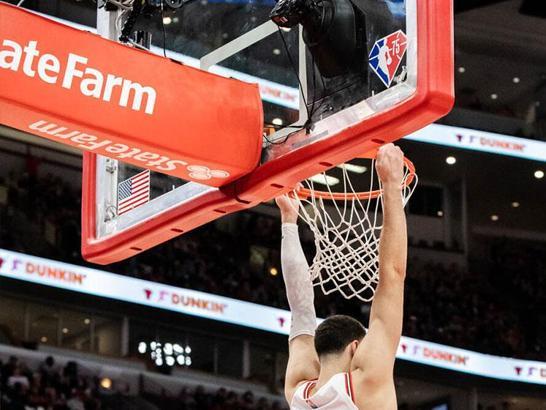
The NBA rim stands 10 feet high, matching the original measurement established in 1891. This article explores how the standard was created, why it has never changed, how it affects player development, and what it means for the future of professional basketball.
basketball.
The Origin of the 10-Foot Standard
When Dr. James Naismith invented basketball in 1891, he placed the peach basket on a running track balcony that happened to be about 10 feet off the ground. This height was not the result of scientific research or athletic study — it was simply the available spot in the gym. Yet that measurement became the foundation of the sport and remains unchanged more than a century later.
As basketball evolved from a basic indoor activity into an organized sport, the original 10-foot rim height was adopted universally. Even as courts, equipment, and rules modernized, the height stayed the same, becoming a defining feature of both amateur and professional play.
Why the NBA Has Kept the Rim at 10 Feet
The NBA continues to use the 10-foot standard because it provides a balanced level of difficulty. It allows players of different sizes and skillsets to compete effectively while maintaining the sport’s signature mix of shooting, athleticism, and strategy. Raising or lowering the rim would change the nature of the game dramatically.
Furthermore, keeping the height consistent across youth programs, international leagues, and professional play ensures that developing players face the same challenge throughout their basketball careers. Whether in local gyms or global arenas, the height of the rim never changes.
Impact on Player Development and Athleticism
The 10-foot rim has shaped the evolution of basketball athletes for decades. Players train their jumping ability, shooting accuracy, and finishing moves around this fixed height. Dunking, shot-blocking, and contested layups all revolve around mastering play above the rim.
As the game advanced, players became taller and more explosive, making above-the-rim basketball a signature part of the NBA’s visual appeal. The consistency of rim height has allowed generations of athletes to measure themselves against the same benchmark, creating a sense of continuity across eras.
How Rim Height Influences Strategy and Style
A 10-foot rim demands precise shooting mechanics, especially from long range. Teams design offensive systems around this challenge, emphasizing spacing, screens, and ball movement to create quality looks. The increased emphasis on three-point shooting in recent years still relies on the unchanging relationship between arc, distance, and rim height.
Defensively, rim protection remains one of the most valuable skills in the league. Shot-blockers and interior defenders rely on timing and vertical leap to contest attempts at a height that never varies. This balance of offense and defense maintains the competitive integrity of professional basketball.
Debates About Raising the Rim
Occasionally, conversations surface about whether the rim should be raised to meet the growing athleticism of modern players. Supporters argue it could reduce uncontested dunks and encourage more skill-based play. Critics counter that such a change would disrupt the sport’s history, create unfair challenges, and diminish the highlights fans love.
Despite these discussions, no serious movement exists to change the height. The 10-foot rim remains a beloved constant — a link between the earliest days of the sport and the global entertainment spectacle the NBA has become.