High-Seas Emergency: Dramatic Rescue Operation Launched in RORC Transatlantic Race
A grueling maritime competition turned into a life-or-death struggle in the middle of the Atlantic Ocean after a skilled sailor sustained serious injuries during the prestigious RORC Transatlantic Race. The incident, which occurred hundreds of miles from the nearest coastline, triggered an immediate and complex international rescue coordination involving fellow competitors and emergency services. As the racing community holds its breath, the focus has shifted from the pursuit of victory to a desperate race against time and the elements to ensure the safety of the stricken mariner.
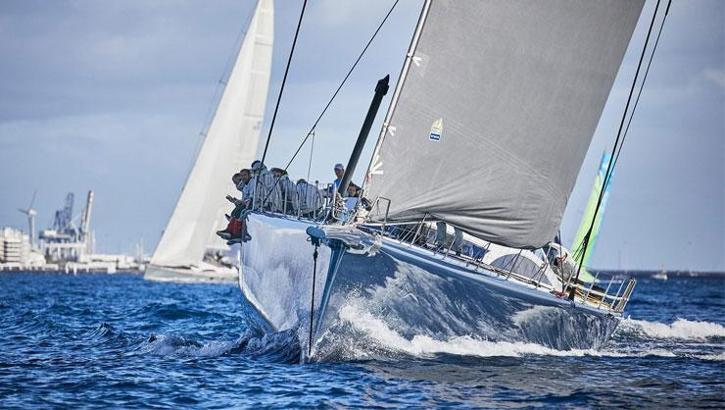
The drama unfolded deep into the transatlantic crossing when a crew member aboard a high-performance racing yacht suffered a severe injury during a period of volatile weather and heavy seas. With the vessel positioned in a remote stretch of the ocean, the Royal Ocean Racing Club (RORC) activated emergency protocols, redirecting nearby vessels to provide medical assistance and stabilization. The successful evacuation of the injured sailor required a seamless collaboration between the race organizers, the coast guard, and the courage of rival teams, underscoring the inherent dangers of professional offshore racing and the unwavering bond shared by those who brave the high seas.
Read More ›
A Sudden Turn of Fortune on the Atlantic
The RORC Transatlantic Race is renowned for being one of the most challenging tests of endurance in the sailing world, but this year's edition took a harrowing turn far from land. While the fleet was pushing through the mid-Atlantic, a sudden mechanical failure combined with a massive wave resulted in a critical injury to a sailor on one of the leading vessels. The crew immediately sent out a distress signal, halting their competitive efforts to attend to their injured teammate as the yacht pitched violently in the Atlantic swells.
Race control in London received the emergency alert and immediately prioritized the safety of the individual over the standings of the race. The remote location made a direct helicopter extraction impossible, forcing the organizers to look toward the "Good Samaritan" principle of the sea. By utilizing satellite tracking, the coordination center identified the closest vessels capable of reaching the scene, setting the stage for a dramatic mid-ocean intervention that would test the skills and nerves of everyone involved.
Read More ›
Rival Teams Pivot from Competition to Compassion
In a display of the profound sportsmanship that defines the sailing community, several rival yachts immediately abandoned their racing lines to assist in the rescue operation. The first to arrive on the scene provided essential medical supplies and additional manpower to help stabilize the injured sailor, whose condition was described as serious but stable. The maneuvers required to bring two racing yachts close together in heavy seas are incredibly dangerous, demanding precision and calm heads to avoid a collision that could result in further catastrophe.
The crew of the assisting yacht worked tirelessly alongside the original team, following instructions relayed via satellite link from medical experts on shore. This collaborative effort ensured that the patient received the best possible care under the circumstances while waiting for a more permanent solution. The redirection of these vessels reflects the unwritten law of the ocean, where the preservation of life always takes precedence over trophies or course records, reinforcing the deep-seated respect among offshore sailors.
Read More ›
The Complexity of a Mid-Ocean Evacuation
As the initial stabilization was underway, a larger recovery plan was being meticulously crafted by international maritime authorities. A commercial vessel, diverted from its shipping lane, was tasked with meeting the racing yachts to facilitate a safer transfer of the patient. The logistical challenge of moving an injured person from a low-profile racing boat to a massive cargo ship in the open ocean is immense, requiring specialized cranes and expert handling to manage the vertical movement caused by the waves.
The coordination between the race organizers and the diverted merchant ship was a masterclass in global maritime communication. Every variable, from wind speed to the patient's heart rate, was monitored in real-time to determine the optimal window for the transfer. After several hours of intense preparation, the sailor was successfully hoisted aboard the larger vessel, which was equipped with a more advanced medical bay and the stability needed to provide a safer environment for recovery.
Read More ›
Safety Protocols and the Risks of the Deep
This incident has cast a spotlight on the rigorous safety standards maintained by the Royal Ocean Racing Club, which are designed to handle exactly this type of nightmare scenario. Every sailor participating in the Transatlantic Race undergoes extensive survival training, and every boat is equipped with state-of-the-art communication and medical kits. The fact that the rescue was coordinated so swiftly despite the extreme distance from shore is a testament to the effectiveness of these modern safety protocols.
However, the drama also serves as a stark reminder that even with the best technology, the Atlantic Ocean remains a wild and unpredictable frontier. Professional sailors accept these risks as part of the sport, but the reality of an injury hundreds of miles from a hospital is a sobering thought for even the most experienced veterans. Experts will likely analyze the data from this incident to further refine safety equipment and emergency procedures for future offshore events, seeking to minimize the window of vulnerability for those on the water.
Read More ›
A Community United in Support
As the injured sailor is now being transported to the nearest port for specialized hospital treatment, the sailing world has rallied in support of the individual and their family. Messages of solidarity have poured in from yacht clubs and racing teams across the globe, praising the quick thinking of the crew and the bravery of those who assisted in the rescue. The race continues for the remaining fleet, but the atmosphere has been forever altered by the narrow escape from tragedy that occurred in the middle of the ocean.
The RORC Transatlantic Race will eventually name a winner, but the true story of this year's event will undoubtedly be the successful rescue and the heroism of the sailors involved. For now, the focus remains on the recovery of the injured mariner, with everyone involved hoping for a full and speedy return to health. This event serves as a powerful reminder that in the face of nature's overwhelming power, humanity's greatest strength is its willingness to protect and care for one another, regardless of the competition.