Emerging Prospects to Watch as the 2026 Picture Gradually Takes Shape
Tracking young athletes declaring their next career steps has become a common tool in modern sports coverage. Inspired by draft declaration trackers in other major leagues, this analysis explores how a similar lens can be applied to identifying emerging rugby prospects likely to shape future conversations.
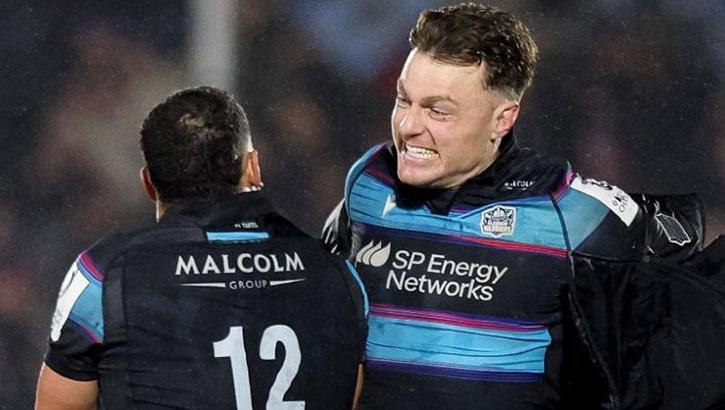
In several professional sports, declaration trackers are used to monitor which young players are signaling readiness for the next stage of their careers. While rugby does not operate under a formal draft system, the underlying concept — identifying prospects whose recent performances suggest upward momentum — remains relevant.
Read More ›
This article applies that tracking-style approach to rugby, highlighting the types of emerging players who are beginning to stand out through form, responsibility and visibility, without implying official commitments or season-specific declarations.
Forwards Gaining Attention Through Consistent Impact
Among forwards, growing recognition often comes through repeat involvement rather than headline moments. Players who consistently influence collisions, arrive early at the breakdown and maintain defensive discipline tend to separate themselves over time.
Rather than formal announcements, their “signals” are delivered through performance patterns: increased minutes, trust in tight situations and expanded roles within matchday squads.
Read More ›
Backline Players Showing Readiness for Bigger Responsibility
In the backline, emerging prospects tend to draw attention through decision-making and adaptability. Players capable of managing space, supporting attacking structures and contributing defensively are often viewed as candidates for long-term roles.
These indicators do not represent official declarations, but they do reflect a trajectory that analysts and coaches monitor closely when projecting future squad balance.
What a Rugby ‘Tracker’ Really Measures
Unlike draft-based sports, a rugby-focused tracking approach centers on:
●Usage trends rather than formal entry announcements
●Responsibility growth within match situations
●Consistency across fixtures, not single performances
●Role expansion instead of contractual milestones
This method allows observers to discuss future-facing talent without overstating intent or status.
Why This Approach Matters
Applying a tracker-style lens helps frame development conversations responsibly. It avoids speculation about commitments or timelines while still providing insight into how squads may evolve organically.
For readers, it offers context. For analysts, it provides structure. And for editors, it remains grounded in observable performance rather than assumptions.
Read More ›
Looking Ahead
As coverage increasingly blends performance analysis with long-term projection, this style of prospect tracking offers a useful, low-risk framework. It highlights momentum without overclaiming outcomes — an approach well-suited to rugby’s development-driven ecosystem.