Batters Struggle as Wickets Tumultuously Fall on Day One of Ashes Test in Melbourne
Day one of the fourth Ashes Test at the Melbourne Cricket Ground turned into a breathtaking spectacle of swinging ball, green pitch movement and relentless bowling pressure that saw a remarkable 20 wickets fall. Batters from both Australia and England found few answers as conditions favoured the seamers throughout an extraordinary opening session that kept a record crowd captivated.
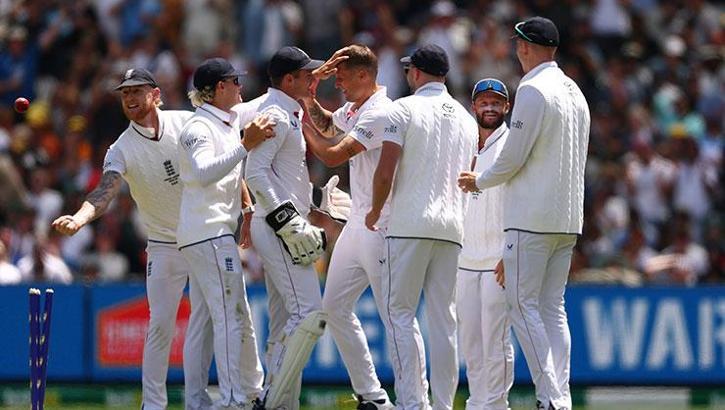
Cricket fans were treated to a chaotic and dramatic start to the penultimate Test of this Ashes series, with both teams’ batting lineups unable to settle against challenging conditions. After being sent in to bat, Australia was dismissed relatively cheaply, but England’s response saw an even more alarming collapse, highlighting how difficult the pitch proved for scoring.
Read More ›
By the end of play, Australia had begun a second innings with a narrow advantage, but the day’s events raised questions about batting strategy, pitch behaviour and how both sides will adapt under pressure. It was a rare display of domination by bowlers in test cricket, showcasing how quickly momentum can shift in the sport.
Australia’s Batting Under Siege
Australia’s first innings was marked by an inability to build partnerships, as the home side was dismissed for a modest total well before the expected duration of a day’s play. Seam and swing were the dominant themes for the visiting bowlers, and several top-order batters found themselves out in quick succession.
Key contributors managed only small scores before departing, leaving Australia with an uphill battle to post a defendable total. The contribution from lower-order batsmen provided some resistance, but the ease with which wickets fell set the tone for a low-scoring and unpredictable Test start.
Read More ›
England Faces Even Greater Collapse
England’s reply proved even more calamitous, as their top and middle order were unable to numb the movement on offer. Despite an aggressive approach from some batsmen, loose shots and misjudgments led to a flurry of dismissals that left the tourists reeling.
A lone counter-attacking innings provided slight resistance, but it was insufficient to stem the tide of wickets tumbling around him. With England all out for a total well below par, the early balance of the match swung decidedly back in Australia’s favour.
Conditions Dictate Play at the MCG
Much of the batting carnage on day one can be attributed to challenging pitch conditions that offered ample lateral movement and unpredictable bounce. Overcast skies and a green-tinted surface further enhanced the impact of seam bowlers, who exploited every hint of deviation.
The intense swing and seam movement made stroke selection a perilous task, forcing batters into tentative play that often ended in edges and dismissals. Such conditions, while thrilling for spectators, tested technical skill and patience to the fullest.
Read More ›
Remarkable Bowling Performances
Bowlers on both sides seized the opportunity presented by the conditions, producing impressive figures and exerting relentless pressure on the opposition batting lineups. Several quicks took multiple wickets, while others chipped in with crucial breakthroughs at key moments.
Their disciplined lines and lengths consistently challenged batters, extracting movement and forcing errors. The high number of wickets represented not just individual brilliance but also collective bowling excellence in exploiting conditions to dramatic effect.
Looking Ahead to Day Two
As play moves into the second day, Australia will look to extend a slender lead and put additional pressure back on the England batting lineup. Both teams will need to adjust tactics and demonstrate resilience if they hope to recover from the roller-coaster opening session.
With so much action already packed into day one, the remainder of this Test could continue to defy expectations — providing drama, resilience and strategic battles between bat and ball that lie at the heart of Ashes cricket.