LeBron James Position in Basketball: Where He Plays and Why It Matters
LeBron James is one of the most versatile players in NBA history — a superstar whose on-court role defies simple categorization. While he is officially listed as a small forward, his unique blend of size, strength, athleticism, and playmaking ability has allowed him to perform virtually every major function on the basketball court. From scoring and rebounding to orchestrating offense and guarding multiple positions, LeBron’s presence impacts the game in almost every aspect. This versatility has not only shaped his own legendary career but also helped redefine how modern basketball utilizes wing players.
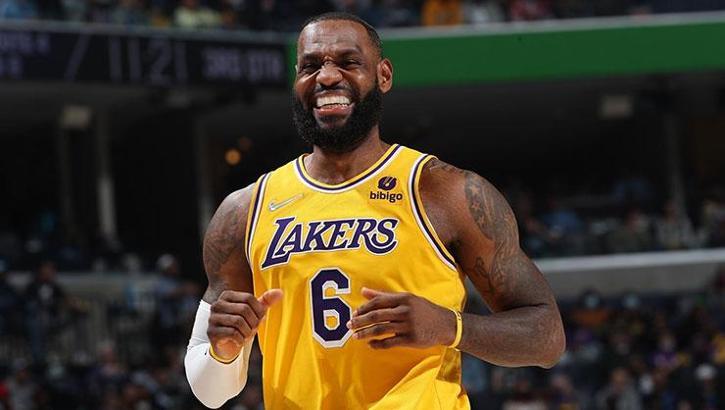
LeBron James is widely recognized as a small forward, but unlike a traditional “three” on the floor, he plays with a multi-positional toolkit that stretches far beyond one label. Over the course of his career, he has operated as a scorer, primary ball handler, facilitator, and defensive match-up nightmare — all while wearing the small forward designation. This dynamic blend of skills has made his positional role significant not just for his teams, but for basketball as a whole, influencing how coaches build lineups and how players are developed at the wing positions.
Read More ›
Official Position: Small Forward
LeBron James is listed as a small forward, the position typically identified as the “three” on a basketball team. Small forwards are known for their versatility — they are often required to score from multiple areas on the court, defend athletic wings, help with rebounding, and contribute in a variety of ways on both ends. LeBron’s physical measurements — his height, strength, and mobility — fit the mold of a modern small forward, but he brings far more to the role than traditional definitions once demanded.
Why the Small Forward Position Matters
The small forward is often described colloquially as the “Swiss Army knife” of basketball positions because these players typically need to do a bit of everything: shoot from distance, drive to the rim, defend multiple positions, and help secure rebounds. They must blend perimeter skills with frontcourt toughness, making them crucial components in offensive spacing and defensive versatility. LeBron James exemplifies this role on a grand scale — scoring when needed, facilitating play, crashing the glass, and guarding a range of opponents.
Read More ›
LeBron’s Evolution: Beyond a Traditional Forward
While LeBron is officially a small forward, his actual role on the court has expanded dramatically over his career. His elite court vision and passing ability have often placed him in playmaking duties more typical of a point guard, especially when leading fast breaks or initiating half-court offense. This hybrid role is sometimes described as a point forward — a forward who handles and distributes the ball like a guard, helping orchestrate the offense rather than merely finishing plays. His size and strength also allow him to match up defensively with bigger power forwards or smaller guards, adding another layer of versatility to his impact.
This evolution reflects broader changes in how basketball positions are understood today — where strict positional labels are increasingly blurred, and adaptability is key.
Impact of LeBron’s Positional Play on the Game
Read More ›
LeBron’s ability to operate across roles has influenced strategic thinking in basketball at all levels. Coaches now value positionless players — athletes who can handle the ball, make plays, and defend multiple spots — because players like LeBron showed how effective such versatility can be. His presence has helped shift the expectation for small forwards from merely scoring and defending to becoming central playmakers on offense and versatile defenders on the other end.
By blending the responsibilities of traditional positions, LeBron James has not only excelled as a small forward but also changed what that position represents in the modern game. His career stands as a blueprint for the all-around wing player, influencing future generations of basketball talent.