Can a Catcher Balk in Baseball? Rules Explained Clearly
In baseball, a balk is a rule violation designed to prevent deception against base runners, and it is most commonly associated with pitchers. This often leads to confusion among fans about whether other defensive players — especially the catcher — can be responsible for a balk call during live play.
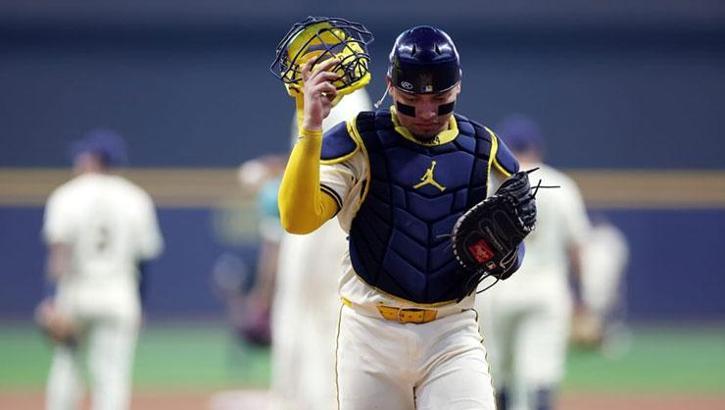
A catcher cannot be charged with a balk under official baseball rules because balks apply only to the pitcher. However, a catcher’s actions can indirectly cause a balk to be called on the pitcher in specific situations, particularly when interference occurs during a play involving a runner attempting to score or steal a base. While these scenarios are rare, they are important for understanding how catcher behavior can influence the enforcement of balk rules.
Read More ›
What Is a Balk and Who Is Responsible?
A balk is an illegal act committed by the pitcher that violates pitching regulations or attempts to deceive base runners. When a balk is called, runners are typically awarded one base.
Crucially, the rules state that only the pitcher can be officially charged with a balk. No other player, including the catcher, can be listed as the offender for a balk violation.
Why a Catcher Cannot Balk
The balk rule exists to regulate pitching mechanics and actions connected directly to the delivery of the pitch. Since the catcher does not initiate the pitch or control the pitching motion, the rules do not allow a catcher to be penalized with a balk.
Even if the catcher makes a mistake or poor decision during a play, the infraction itself cannot be recorded as a catcher’s balk. Any penalty connected to a balk is always assigned to the pitcher.
Read More ›
How Catcher Actions Can Trigger a Balk Call
Although a catcher cannot balk, certain actions by the catcher can cause the umpire to call a balk on the pitcher. This usually occurs during high-pressure plays such as a squeeze play or a steal of home.
If the catcher steps in front of home plate without the ball or interferes with the batter’s swing while a runner is attempting to score, the rules may require the batter to be awarded first base. In these cases, the pitcher is charged with a balk as part of enforcing the play.
Catcher Interference and Its Connection to Balks
Catcher interference happens when the catcher makes contact with the batter or the bat during a swing. While interference itself is a separate rule violation, certain interference situations involving runners can lead to a balk being assessed to the pitcher.
This is why some people casually refer to these situations as a “catcher’s balk,” even though no such official term existsin the rulebook. The balk is always recorded against the pitcher, not the catcher.
Rare but Impactful Game Situations
These types of plays are uncommon and are rarely seen in most games. However, when they do happen, they can dramatically change the outcome of an inning by advancing runners or awarding bases.
Read More ›
Because of this, catchers must be extremely careful with positioning and timing, especially during plays at the plate, to avoid triggering penalties that can hurt their team.
Key Takeaways for Fans
●A catcher cannot be charged with a balk under baseball rules.
●Only the pitcher can be officially penalized for a balk.
●Catcher interference or illegal positioning can result in a balk being called on the pitcher.
●The term “catcher’s balk” is informal and not an official rule.
Understanding this distinction helps clarify one of baseball’s more nuanced rules and explains how different defensive roles interact within the game’s rule structure.