Basketball Positions Explained: Who Does What on the Court
Every player on a basketball court carries a specific role that shapes team offence and defence, and knowing these roles deepens our understanding of the sport. Each position brings its own responsibilities, from directing plays to protecting the rim, and these differences influence how a team moves, scores, and defends. Recognising these roles helps fans see the strategic structure behind the action and appreciate how individual skills combine to create an effective and balanced team.
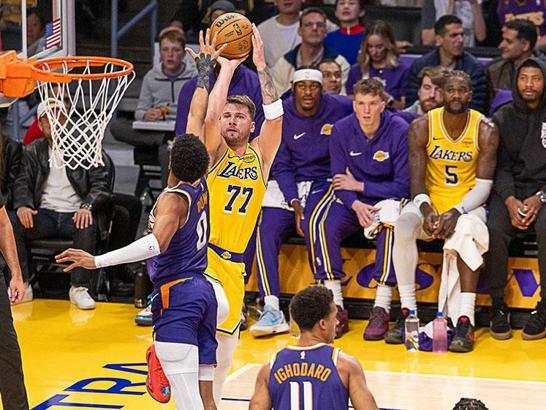
Basketball teams play with five players at a time, and each player’s position reflects their strategic task on the floor. These positions evolved over decades as the game became more specialized. Traditionally, teams have two guards, two forwards, and a centre — each with unique responsibilities that contribute to team success.
Read More ›
Point Guard
The point guard is often called the team’s primary floor leader. This player is usually one of the quickest and most skilled ball handlers on the team. Their main task is to bring the ball up the court after a change of possession and start the team’s offensive set. They orchestrate plays, find open teammates, and make decisions that influence the team’s offensive rhythm.
At the same time, point guards are also defenders. They pressure the opposing team’s guards, try to force turnovers, and help set the defensive tone. In many teams, this position also requires strong court vision and communication skills, as the point guard often acts like a coach on the floor, adjusting the team’s play during games.
Read More ›
Shooting Guard
The shooting guard is most recognized for scoring and perimeter shooting. Players in this position excel at jump shots and three-point attempts and often position themselves to receive passes with space to shoot. They move without the ball to find scoring opportunities and help spread the defence.
But scoring is not their only responsibility. Shooting guards must also defend some of the opponent’s best wing scorers. They are expected to run the floor, assist in fast breaks, and contribute defensively with steals and pressure on the ball. Their ability to score consistently makes them vital to a team’s offensive threats.
Small Forward
Small forwards are often considered the most versatile players on the court. They score from various spots — driving to the basket, shooting from mid-range, and sometimes from long distance. This flexibility makes them difficult to guard. They also contribute to rebounds, assists, and defence, often guarding a range of players from quick guards to taller forwards.
Their role demands athleticism and adaptability. Small forwards must read the game quickly, support both offensive drives and defensive stands, and adjust to different matchups. This all-around skill set allows them to impact the game in many ways, making them crucial to a team’s balanced performance.
Read More ›
Power Forward
Power forwards play near the basket and combine strength with skill. They compete for rebounds, score inside, and defend against opposing big players. Traditionally, power forwards operated close to the rim for physical play, but in modern basketball many also develop reliable mid-range or even three-point shooting, stretching defences and creating space for teammates.
Defensively, power forwards protect the paint and secure rebounds, often battling with other big players beneath the basket. On offence, they set screens and use their physical edge to score in tight spaces. Their mix of power, finesse, and increased mobility makes them valuable on both ends of the court.
Center
The centre is typically the tallest player and anchors the team’s interior play. On offence, centres score close to the basket, catch high-percentage shots, and create second-chance opportunities through offensive rebounds. On defence, they protect the rim, contest shots, and secure defensive rebounds to stop opponents’ scoring attempts.
Read More ›
Centres also help organise the defence from the paint area, using their size and positioning to deter drives and block shots. In modern play, some centres can stretch their game with perimeter shooting, but their primary value remains controlling the area near the basket on both sides of the ball.
Evolution of Player Roles
While these five positions remain foundational, basketball has also seen hybrid roles emerge. Some players blend responsibilities, creating flexible lineups where traditional positions are less rigid and skills like ball-handling, shooting, and defence can come from unexpected places. This evolution reflects the sport’s increasing pace and strategic complexity.
Understanding these positions helps fans and analysts follow the strategic flow of the game. Each role brings distinct strengths and choices to the court, shaping how teams play offence and defence in every matchup.