Stephen A. Smith Apologizes to Lane Johnson Following Mental Health Remarks
ESPN host Stephen A. Smith opened Thursday's broadcast of "First Take" with a public apology to Philadelphia Eagles offensive tackle Lane Johnson regarding remarks made about the veteran player's retirement. Johnson, a 14-year NFL veteran with six Pro Bowl selections, two first-team All-Pro honors, and two Super Bowl championships, announced his retirement on Tuesday citing his mental health and family as primary motivations. After questioning Johnson's reasoning during Wednesday's show, Smith took full accountability the following day, acknowledging that he was wrong to make light of mental health issues and offering an unreserved apology to Johnson and the Philadelphia Eagles organization.
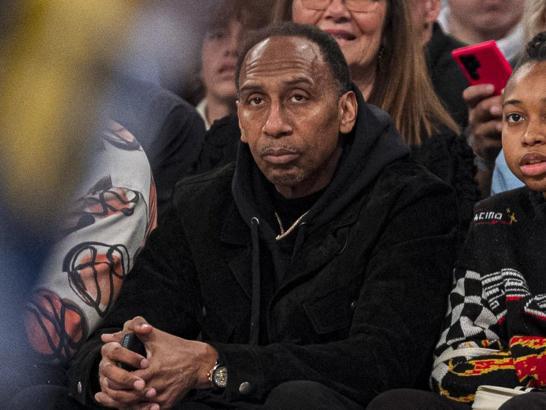


Smith explained during Thursday's opening segment that while his original intent was to joke about the Eagles, his execution was inappropriate given the serious nature of mental health. On Wednesday's episode, Smith had openly questioned Johnson's decision four games into the 2026 season, raising skepticism about an offensive tackle retiring to focus on mental health. Directing his corrective remarks to viewers on Thursday, Smith admitted his error, stating that intent does not override public perception and emphasizing the responsibility of admitting fault when making light of sensitive personal matters.
Read More ›
Stephen A. Smith Issues On-Air Apology to Lane Johnson and Eagles
ESPN commentator Stephen A. Smith initiated Thursday's episode of "First Take" by delivering a direct apology to retired Philadelphia Eagles offensive tackle Lane Johnson. Smith addressed comments he had made 24 hours earlier regarding Johnson's decision to step away from professional football.
Smith acknowledged that his remarks were improper and took personal responsibility for the incident. He extended his apology beyond Johnson to include the entire Philadelphia Eagles franchise for dismissive commentary made on national television.
Veteran Offensive Tackle Retires After Decorated Fourteen-Year NFL Career
Lane Johnson officially announced his retirement from professional football on Tuesday, bringing an end to a distinguished 14-year career in the NFL. The offensive tackle spent his entire tenure as a key member of the Philadelphia Eagles' offensive line.
Read More ›
Over the course of his career, Johnson achieved six Pro Bowl selections and earned two first-team All-Pro honors. He was also an integral part of two Super Bowl championship teams during his time in Philadelphia.
Mental Health and Family Cited as Core Drivers for Retirement Decision
In his official announcement, Johnson identified his personal mental health and family priorities as the primary motivations for walking away from the game. His retirement came four games into the 2026 NFL regular season.
The announcement highlighted the ongoing challenges faced by long-tenured professional athletes balancing physical performance, family life, and mental well-being. Johnson's departure concluded more than a decade of high-level competition in the league.
Initial On-Air Commentary Questioned Timing and Reason for Retirement
During Wednesday's broadcast of "First Take," Smith openly questioned the validity and timing of Johnson's retirement rationale. Smith singled out Johnson's statement about needing to focus on his mental health during the ongoing season.
Smith's original remarks expressed disbelief that an established veteran offensive tackle would exit four games into the season for mental health reasons. The comments drew immediate criticism for downplaying the significance of athlete wellness.
Host Takes Full Accountability for Making Light of Mental Health
Reflecting on his previous statements, Smith clarified that his original goal was to jest about the Philadelphia Eagles team. However, he recognized that his comments inappropriately minimized the broader issue of mental health.
Read More ›
Smith stated that regardless of underlying intent, public perception and impact are what ultimately matter. He concluded by asserting that taking accountability and admitting fault is necessary when making improper on-air statements.