A shadow over the 2026 World Cup
During the 2026 FIFA World Cup, the visa policies of the host countries, the United States and Canada, have become one of the tournament’s most debated political issues.
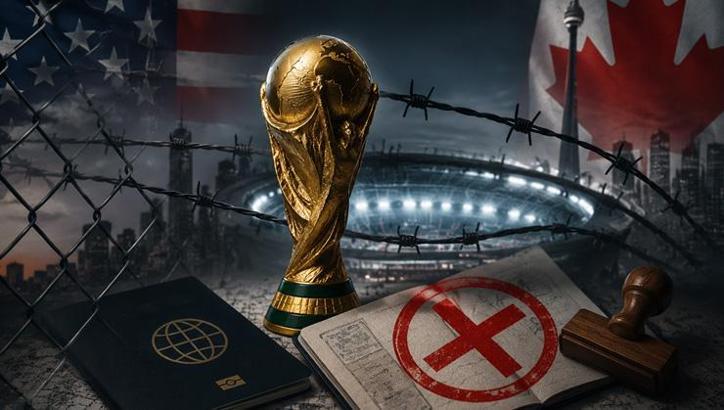


Omar Abdulkadir Artan, a Somali referee who is one of the top referees on the African continent and was set to officiate matches at the World Cup, has become a symbol for those whose visa applications were denied after the U.S. refused to admit him.
Read More ›
Along with 34-year-old Artan, Palestinian Football Association President Cibril er-Racub, Iraqi National Team photographer Talal Salah, and some members of the Iranian National Team’s technical staff were also among those affected by the U.S.’s “strict visa policy.”
Canada, meanwhile, denied entry to Ghanaian soccer player Thomas Partey, who is currently facing ongoing legal proceedings in the UK related to sexual assault charges.
Aymen Hussein, the star striker of the Iraqi national team, who was questioned for hours at Chicago O’Hare International Airport on security grounds while attempting to join his team’s training camp in the U.S., was eventually granted entry after a lengthy bureaucratic ordeal.
Read More ›
Speaking to an AA correspondent about the recent incidents in the U.S. and Canada, Said Shehata, Editor of Arabic and English News at BBC World, stated that political interference in sports does more harm than good, noting "The unpleasant incidents will remain a stain on the tournament’s history, but overall, they will not have a significant impact on the World Cup atmosphere."
Highlighting that one reason for the noticeable empty seats during matches is the unnecessarily strict visa policy, Shehata said, “These visa and entry policies are affecting the spirit of the World Cup. Some players, referees, and fans were denied entry; this doesn’t look good. While some seats remain empty primarily due to ticket prices, visa policies are another reason for these empty seats.”
- "FIFA must coordinate with host countries"
Emphasizing that FIFA has done its part, Shehata noted that FIFA’s authority is limited, saying, “FIFA must coordinate with host countries, but the final decision rests with the host countries. Under the sovereignty of states, FIFA cannot do anything. They can coordinate, but they cannot do more than that."
Noting that the influence of politics on sports must be eliminated but that such a move is not currently on the agenda, Shehata commented, “I agree that they should be completely separated, but reality tells a different story. For example, Russia’s ban from sporting events is a clear indication of unwanted interference.”
Read More ›
Shehata, noting that host countries should not use sports organizations as tools for their own political disputes, said, "Visas and entry are the responsibility of the host countries, but host countries must not abuse their power to unjustly exclude fans, players, and referees from participating in tournaments." he said.